
23 February 2026
Do I need a permit for a billboard?
Wondering if you need a permit for a billboard? Great question! The short answer is: yes, in most cases you do need a permit for a billboard in South Australia. In fact, most outdoor advertising signs require Development Approval from your local council before installation. The good news though? Navigating the approvals process is far less daunting than it sounds, especially when you have an experienced signage partner in your corner!
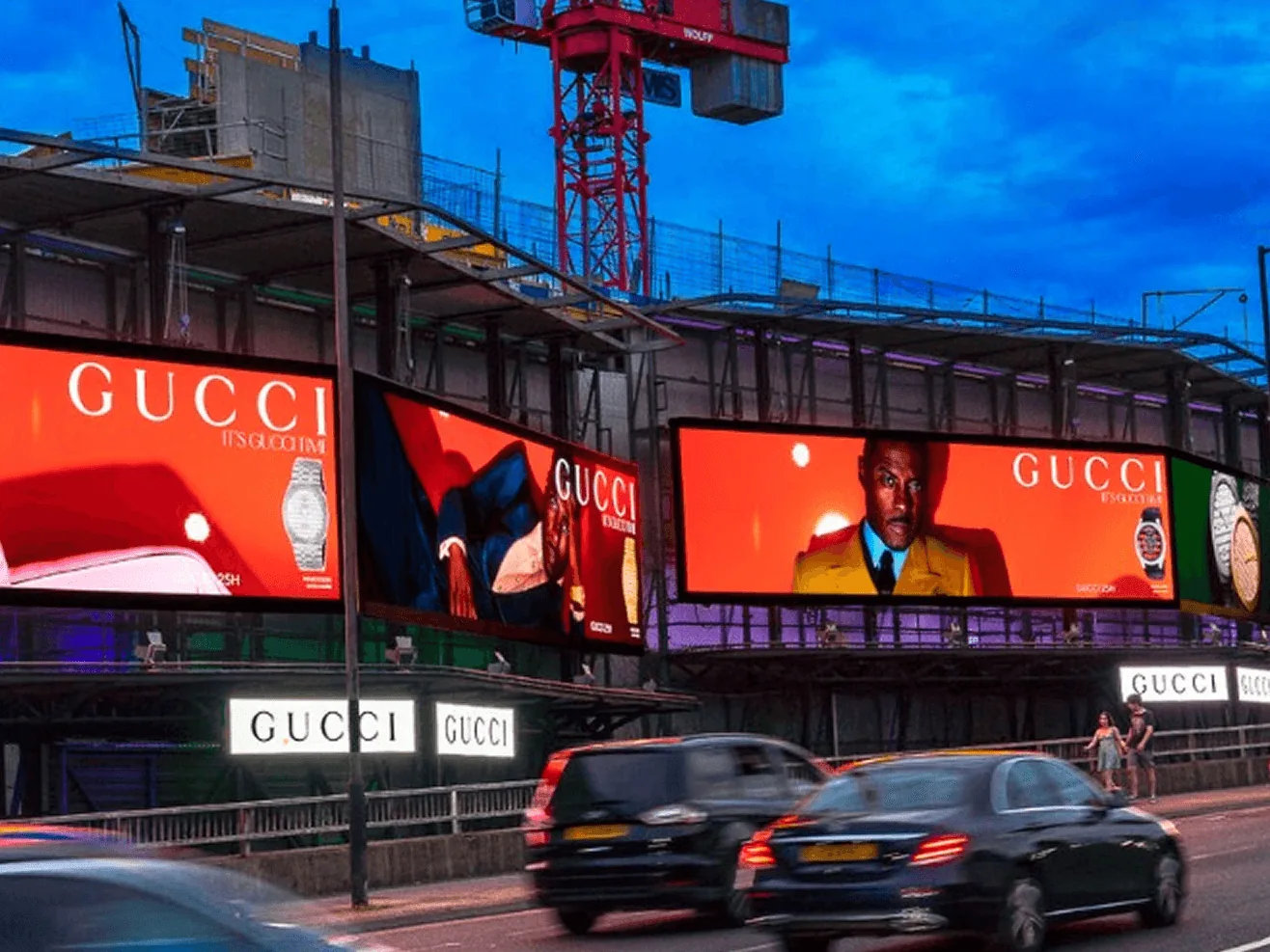
At Gigantic Signs, we've been designing, manufacturing, and installing Gigantic Screens and large-format outdoor signage across Adelaide for over 30 years. We handle permit applications, engineering certifications, and compliance requirements every single day, so you don't have to. You’re welcome.
Now, here's everything you need to know before you get started.
Why billboard permits exist in South Australia
Council regulations exist to protect public safety, manage visual amenity, and prevent driver distraction. South Australia's Planning and Design Code governs all outdoor advertising, with each local council maintaining specific requirements around sign size, height, illumination, and placement.
Considering skipping the process? Not a good idea. Skipping the approval process just isn't worth the risk. Installing a billboard without the correct permits can result in fines, forced removal at your own cost, and significant delays in getting your business seen. So getting it right from the start saves time, money, and headaches, and that's exactly where we come in.
Do I need a permit to put a billboard on my property?
Yes, you do in most circumstances. Even on land you own or lease, large-format signage typically requires Development Approval. According to the City of Salisbury Council, most advertising signs must meet specific criteria relating to size, design, safety, and compatibility with the surrounding environment.
Key factors that determine whether approval is required:
- Sign size and height above ground level
- Whether the sign is illuminated or includes digital or LED elements
- Proximity to roads, intersections, or residential zones
- Zoning of the location (commercial, industrial, or residential)
Smaller signs on private commercial property can occasionally qualify as exempt development, but billboard-scale signage almost always requires formal approval. When in doubt, always check with your local Adelaide council before proceeding.
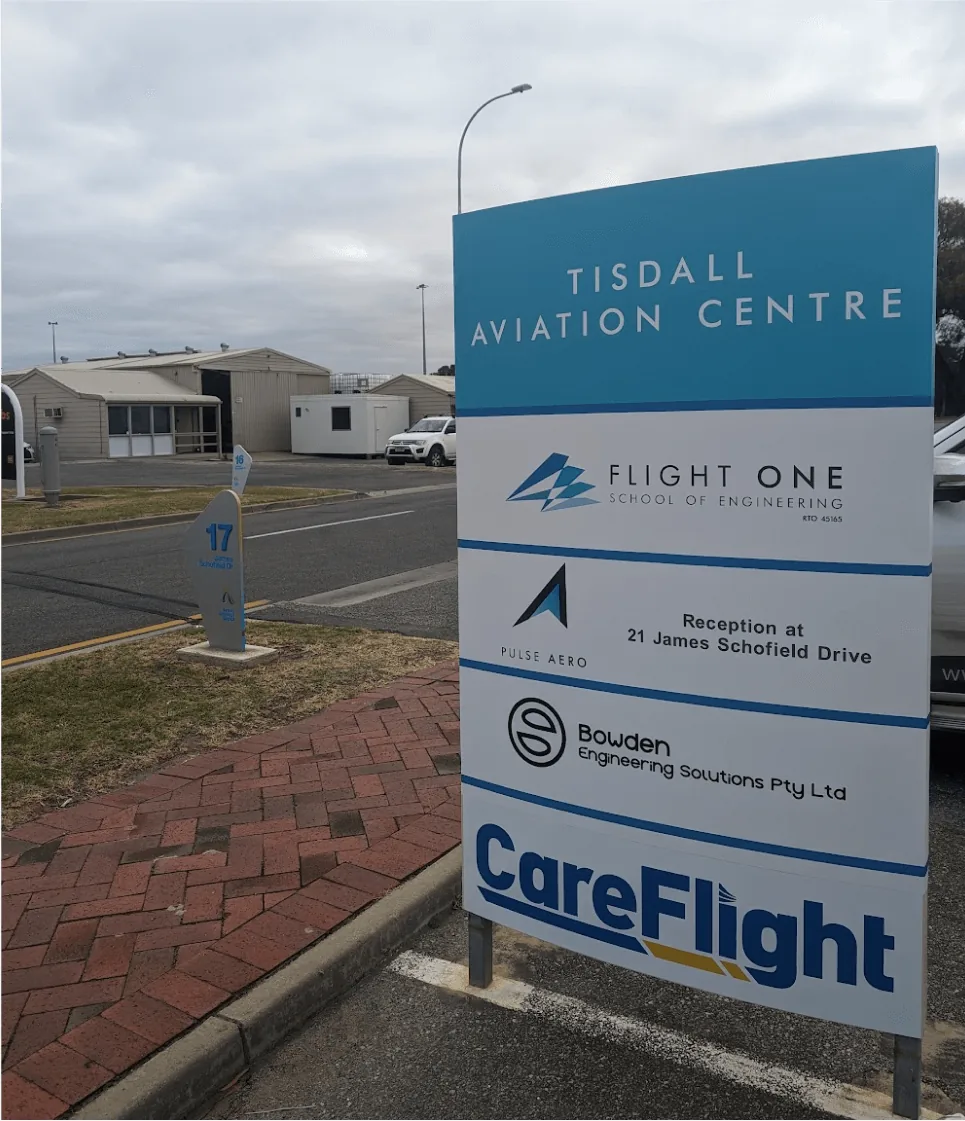
Do I need a permit for an outdoor LED billboard?
Yes, and LED billboards require additional considerations beyond standard static signs. South Australia's Department for Infrastructure and Transport Advertising Signs Assessment Guidelines specifically address electronic and digital signage, with requirements covering:
- Brightness and illumination levels: Screens must include automatic brightness adjustment to prevent glare and driver distraction
- Message dwell time: Each display must remain static for a minimum of 45 seconds, with changes completed instantaneously
- Animated effects: Fade, zoom, or fly-in animations are not permitted on roadside LED displays
- Structural and electrical certification: All installations must meet Australian Standards for wind loading and electrical safety
These requirements exist to ensure your LED billboard is both impactful and safe. This is why our team designs every Gigantic Screens installation to meet these specifications from the outset, eliminating compliance issues before they arise. We don’t like headaches or delays either.
How does the approval process work?
Step 1: Determine your approval pathway
Use the PlanSA Development Approval Wizard to check whether your proposed signage requires formal Development Approval or qualifies as accepted development.
Step 2: Prepare your application
A Development Application typically requires a location plan showing property boundaries, existing signage, and your proposed billboard. For LED or illuminated signs, technical specifications including brightness limits are also required.
Step 3: Submit to your local council
Applications are lodged with the relevant Adelaide council. For billboards near arterial roads, the Commissioner of Highways must also provide consent under the Highways Act 1926.
Step 4: Await assessment and install
Councils assess applications against local planning policies before granting approval. Once approved, installation must comply with all permit conditions, including structural and electrical certifications on completion.
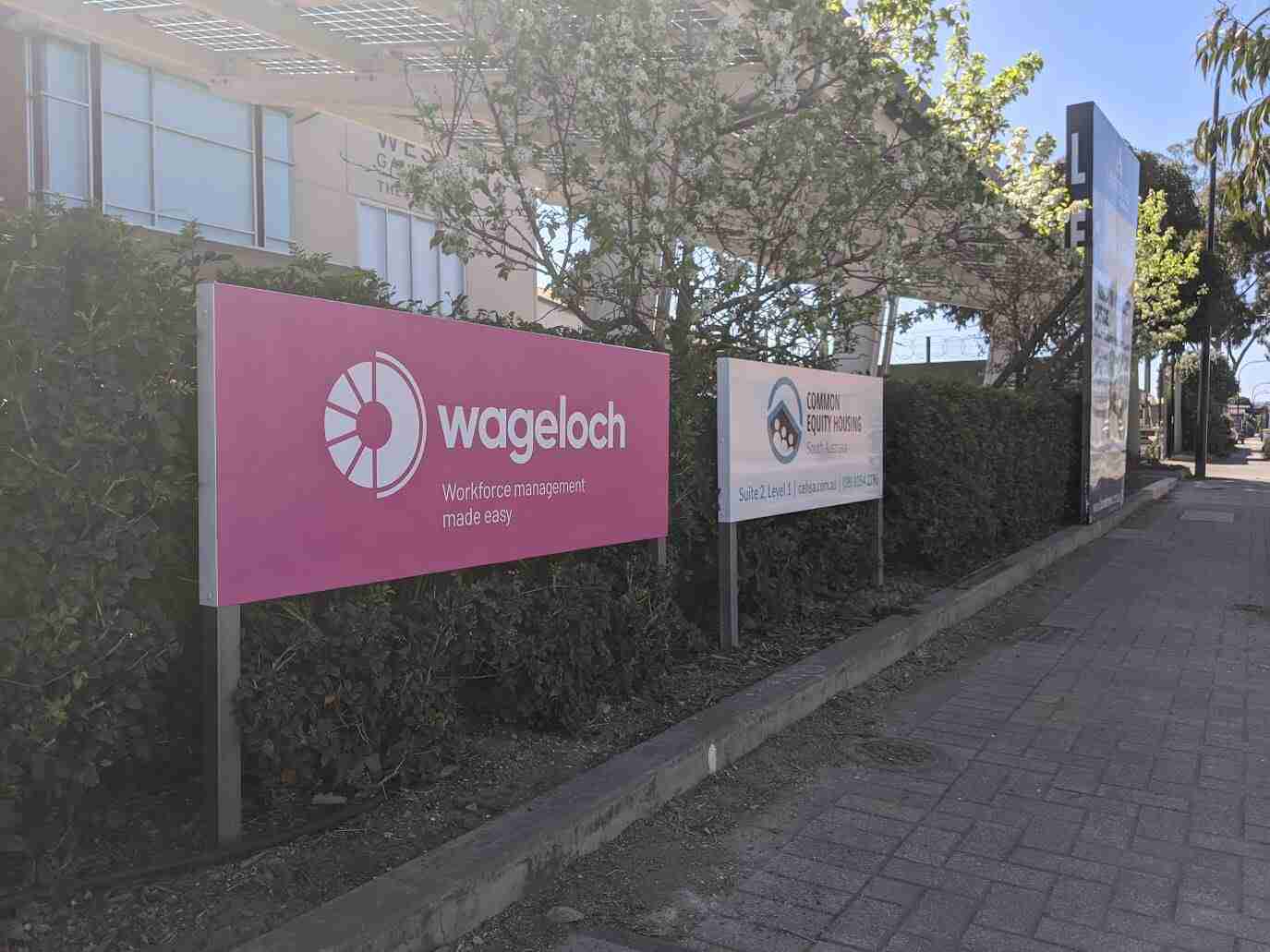
What makes a billboard application successful?
We've helped dozens of Adelaide businesses secure approvals for complex billboard and LED screen projects, and our 30+ years of local experience means we know exactly what each council requires and how to present applications that get results.
Adelaide councils consistently approve signage that is proportionate to its surroundings, doesn't obstruct traffic sightlines, and uses materials appropriate to the location. For illuminated signs, brightness levels that don't impact nearby residents are essential.
We recently managed the full approval process for a large-format LED billboard on a major Adelaide arterial. From initial application through to installation, the entire project was completed on time, on budget, and with zero compliance issues. Good signage is good business, and getting the approvals right was the first step to make this happen.
Let's make your billboard happen
Permit applications, engineering certifications, council compliance, and liaison with the Commissioner of Highways - it's a lot to manage on top of running a business. That's why our clients hand the entire process over to our team and focus on what they do best, while we focus on what we do best.
At Gigantic Signs, we bring bold creativity and proven expertise to every project, from the big ones to the small ones too. So, if you’re ready to get noticed with large-format signage that makes a GIGANTIC impact, then contact us to chat about your project, and bring your vision to life.